
Know what to expect before joining a live table
 Available in US
Dream Catcher live play combines a real-time studio stream with on-screen controls for placing bets from your device.

What Playing Dream Catcher Live Online Actually Involves
When I think about playing a live casino game online, I picture two things happening at once: a studio feed on screen and a betting interface alongside it. A human dealer runs the game in real time, while you use the controls on your device to place bets. That is the basic shape of live play. It is not simply a video of a game, and it is not the same experience as a computer generating each result behind a static screen.
For someone looking for Dream Catcher online, the practical point is to understand that distinction before getting caught up in a title or a promotional description. If a live version is offered, you would be watching the studio action as it happens and making your selections through the on-screen interface. The dealer is part of the streamed session; your controls are how you take part from wherever you are.
That division can feel slightly odd at first. You are not sitting at the studio table, and you are not speaking to a dealer face to face. You see the action through a camera feed, then interact by tapping or clicking the available controls. The screen is doing two jobs: showing the live session and giving you a way to submit your bets. Once I understood that, the format made more sense. Less mystery, more screen.
If you’re choosing a UK casino for live Dream Catcher, payout timing is one practical detail to check alongside whether the game is available to you. This list gives you the stated payout timeframe for each operator.
-
Chanze
- Payout speed
- 1-3 business days
Chanze lists payouts at 1–3 business days, giving you a stated timeframe to consider.
-
x3bet
- Payout speed
- 1-3 business days
x3bet lists a payout speed of 1–3 business days, so you have a clear timeframe to refer to.
-
NightLuck
- Payout speed
- 1-3 business days
NightLuck gives a stated payout timeframe of 1–3 business days for you to consider.
-
WinBeast
- Payout speed
- 1-3 business days
WinBeast lists payouts as taking 1–3 business days, providing you with a stated timing detail.
-
Jetsetspins
- Payout speed
- 1-3 business days
Jetsetspins lists a payout speed of 1–3 business days, which gives you one concrete detail to weigh.
-
NightWin
- Payout speed
- 1-3 business days
NightWin states a payout timeframe of 1–3 business days for you to take into account.
-
Zombillion
- Payout speed
- 1-3 business days
Zombillion lists payouts at 1–3 business days, giving you a stated timeframe to check.
-
Dieselwin
- Payout speed
- 1-3 business days
Dieselwin gives a payout speed of 1–3 business days, a specific timing detail for you to consider.
-
Revery Play
- Payout speed
- 1-3 business days
Revery Play lists a payout timeframe of 1–3 business days, providing you with a stated expectation.
-
Amunbet
- Payout speed
- 1-3 business days
Amunbet states that payouts take 1–3 business days, giving you a clear timeframe to refer to.
The phrase “live Dream Catcher” can make it sound as though the whole experience is somehow happening inside your phone. It isn’t. The live element is the real-time studio gameplay; your device displays the stream and the betting interface. Your choices are entered on screen, while the dealer and studio remain on the other side of the feed. It’s a remote way to join a live game, not a physical visit to a casino.
That matters when you’re deciding what you mean by “play Dream Catcher online”. You may be looking for a game with that name in a live casino lobby, but the name alone does not tell you how the session is presented or whether it is available to you. The useful starting question is more basic: is the option shown as live dealer gameplay, with a studio stream and an interface for placing bets? If so, you are looking at the live format rather than a purely digital version.
I’ve learned not to let labels do all the work. “Live” sounds reassuringly clear, but the word describes the format, not every detail of a particular game. It tells you that the gameplay is streamed in real time from a studio and that a human dealer is involved. It does not, by itself, explain the controls, the table information, or what the screen will look like on your device. Those are things to inspect in the actual game view rather than guess from a name.
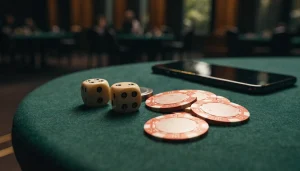
A typical session has a simple division of attention. You follow the live picture, check the options shown in the interface, and use the on-screen controls to place your bets. The stream gives you a view of the studio action; the interface gives you a way to participate. It is worth noticing which part of the screen is doing what, especially if you are new to live dealer games. Watching the feed and submitting a choice are related, but they are not the same action.
The “real” in real-time does not mean you have a direct connection to the dealer in the way you would at a table. It means that the studio gameplay is being streamed as it unfolds, with a human dealer conducting it. Any interaction available to you is mediated by the game’s screen and controls. I find that a more useful expectation than imagining a digital game with a dealer added as decoration.
If you are comparing the live option with a computer-based game, keep the comparison at that level for now. In live play, you see a studio feed and place bets through the interface while a dealer handles the session. A digital version may present gameplay differently, but the important point here is that live play has a visible, human-run studio component. You are participating remotely, through the screen.
So, when you come across a listing for a live Dream Catcher casino game, read “live” as a description of how play is delivered: real-time studio action, a human dealer, and on-screen betting controls. Don’t assume the label answers every question about the particular game. First understand the format; then look at the actual information presented with that option. That’s a steadier starting point than trusting a glossy banner.
Dream Catcher Casino: What You Can—and Can’t—Verify
The name Dream Catcher can make a listing feel more definite than it is. It sounds like a particular game, and “live casino” suggests a familiar format. But a name by itself does not tell you exactly what is on screen, who provides it, which rules apply or whether a particular casino currently offers it. I’ve learned not to fill those gaps with whatever a banner seems to imply.
The general meaning of a live dealer game is clearer. A studio streams gameplay in real time, a human dealer runs the game, and you use an on-screen interface to place bets. That describes the broad format, not the details of every title carrying a particular name. The distinction matters: knowing what live play usually involves is not the same as knowing the rules or features of Dream Catcher.
It is easy to slide from one idea to the other. You see a live table presented under a recognisable name and assume you know how it works. I have made that mistake with casino games: a confident label can feel like an explanation when it is really just a label. The sensible starting point is to treat the title and the format as two separate things. “Live” tells you the kind of presentation; it does not, on its own, settle the game’s rules.

That also means not assuming that every Dream Catcher listing describes an identical experience. The same name may appear in different contexts, and wording on a casino page can be too brief to answer basic questions. Look for the actual game information rather than relying on a thumbnail, promotional line or search snippet. If the page does not make a detail clear, do not quietly convert your guess into a fact. Annoying, but useful.
There is a difference between saying “this is a live dealer game” and claiming specifics about Dream Catcher. The first is a general description of a format: real-time studio play with a human dealer, supported by an interface through which players bet. The second would involve details such as the exact rules, the way a round unfolds, the available betting options or whether a particular operator has the game. Those are not things to infer from the words in the title.
For a UK player, the legal point is straightforward. Live dealer casinos are legal when they hold a UK Gambling Commission licence. That condition applies to the operator, not to a name or visual style attached to a game. A page can look polished and still leave you needing to establish what is being offered and whether the operator is licensed. The game title itself is not proof of either.
I would also be careful with the word “casino” in searches and listings. People use it to mean the game, a table inside a casino, or the casino site hosting it. Those are different things. A result that appears to refer to a Dream Catcher casino may simply be a page about a live game at an online casino; the wording does not establish that there is a separate venue or a single official destination. Read the page in front of you, not the meaning you hoped the label would have.
The same restraint applies to claims about availability. A mention of Dream Catcher does not automatically mean that you can open it from every UK casino, that it is available at the moment you visit, or that the presentation is identical between operators. Availability can be a property of a specific operator’s offering, not something guaranteed by the name. If you are deciding whether to play, the actual game page is more useful than assumptions built from the title.
This may sound cautious to the point of dullness. I used to treat polished wording as a shortcut: if the page sounded certain, I assumed the details had been settled. That saved me no time in the end. A few plain distinctions do more work: live dealer describes a real-time human-dealt format; a game title identifies what a listing calls the game; an operator is the business providing access. Don’t let one stand in for the others.

So, if you are looking for Dream Catcher in a UK live casino, keep the claim small until the specific page supports more. You can understand what “live dealer” means without assuming that every Dream Catcher listing shares the same rules, features or availability. And you can separate a game’s presentation from the legal status of the casino offering it. Less exciting than the advert. More solid.
Choosing a Live Dream Catcher Experience Without Chasing Hype
When I see a live casino described as the “best” place to play Dream Catcher, I treat that word as a sales pitch, not a finding. It might mean the page is easy to navigate, the stream works well, or the writer simply wants a click. Without clear, comparable evidence, the label cannot tell you which experience will suit you.
That matters with a named game. A casino page can use the same title as another and still leave important questions unanswered: is the game actually available to you, what does the table offer, and what will playing there feel like? A polished banner does not answer any of those. Nor does a list of sites, however confidently it is presented.
So I would not try to crown a best Dream Catcher casino from a name or a promotional description alone. I’d separate what is observable from what is being promised. Is there a genuine live stream, or does the page merely use “live” as a broad label? Are the rules and table information accessible before you commit? Does the description explain the experience in plain terms, rather than relying on words such as “ultimate” or “immersive”? Those are useful questions, but they do not prove that one operator is better than another.
Do
- Look for accessible rules and table info
- Check for plain descriptions of the experience
- Verify if the live stream is genuine
Don't
- Trust labels like "best" or "ultimate"
- Assume a polished banner answers all questions
- Rely on rankings without clear criteria
The limits are real. A live game runs more slowly than a digital version, asks for a stable internet connection and may have higher minimum bets. Those points can shape whether a session works for you, but they do not identify a winning provider or prove that a particular Dream Catcher table is available. A site can look appealing and still be a poor fit for the way you want to play. No clever ranking removes that uncertainty.
I’ve been caught by the promise that a site was “premium” and assumed that meant the whole experience would be better. It didn’t. The word told me what the page wanted me to feel, not what I could verify. I now look for details I can actually inspect before treating a claim as useful. If the description stays vague, I count that as a limit of the description—not as evidence that the game has special features.
What a comparison can and cannot tell you
A comparison can help organise options, but only if it explains its basis. If it gives no method, no date or no specific criteria, a ranking is mostly an opinion dressed up as certainty. Even a clearly explained comparison may not settle the question for you: stream quality can depend on your connection, while the pace and minimum stake may make a table feel different from the version you had in mind.

This is why I’d be wary of any list calling itself the best live Dream Catcher casinos without showing what “best” means. Best for access? For the way the table is presented? For a particular preference that the reviewer has not explained? Those are not interchangeable. A list may still be a starting point, but it is not a substitute for checking the actual game information yourself.
There is also a difference between a casino’s general live offering and proof about this particular game. Information about live dealer games can describe the format broadly; it cannot, on its own, establish Dream Catcher’s current availability or the exact features of a specific table. I would not assume that a claim about one live title applies to another just because both appear under the same menu. The details need to refer to the game you intend to open.
That means a sensible choice may be less dramatic than a “top pick”. You might rule out an option because its description leaves too much unclear, or decide that the live format is not what you want right now. Neither outcome needs a grand verdict. Sometimes the useful answer is simply that the available information does not support a confident comparison.
If you are looking for the best live Dream Catcher casino in the UK, keep the phrase “best” on a short leash. Ask what the claim is based on, whether it refers specifically to Dream Catcher, and whether the details are current enough to be useful. Don’t let a confident headline turn an untested assumption into a fact. I’ve done that bit already. It saves nothing.
- Find the game rules easily
- Confirm the live format suits your patience
- Ensure the minimum bet fits your budget
A practical way to think about it is to make your own decision criteria before the advertising starts steering you. You may care most about whether the rules are easy to find, whether the live format suits your patience, or whether the minimum bet fits the amount you are prepared to stake. Those are personal filters, not a universal ranking. Another player may weigh them differently, and neither of you can infer a site’s quality from a bold badge alone.
There is no need to force a choice because a page suggests that everyone has a favourite. If the details do not let you judge the experience, pause rather than filling the gaps with assumptions. If they do, compare those details with what you actually want—not with a slogan. That is a less exciting way to choose, but it is more honest.
This section is for entertainment purposes only and is not gambling advice.
Playing the Game: Pace, Connection and Table Rules
A live session asks for a different kind of patience from a digital game. The dealer runs the action in real time, so you are waiting on a person and a streamed table rather than watching a sequence produced instantly by software. The rhythm can feel slower, especially if you are used to tapping through rounds without a pause.
I used to treat every gap as wasted time and look for ways to make a game feel faster. That was the wrong expectation. In a live dealer game, there is room between one stage of play and the next; the pace is part of the format, not a glitch. If you sit down expecting constant action, even a perfectly ordinary session can feel drawn out.

That matters when you are considering whether to play a Dream Catcher casino game live. The name may catch your attention, but the basic practical question is whether you want a streamed experience with a measured pace. A digital version, where available, may move more quickly. Live play trades that speed for a real-time dealer and table. Neither format is automatically better; they ask different things of you.
Your connection is part of the session too. Live games need stable internet because the action reaches you as a stream. If your connection keeps dropping or stalling, it becomes harder to follow what is happening and to make decisions calmly. I have had sessions where the game itself was not the issue; the connection was. Not much fun.
Before opening a live table, check that your device has a reliable connection and that the stream runs smoothly. If the picture freezes or the sound falls behind, do not assume that pushing through will improve the experience. Pause and sort out the connection, or leave the session. A live game depends on seeing the action as it unfolds, so a choppy stream can turn a simple session into an irritating one.
There is another difference worth factoring in: live games have higher minimum bets than digital versions. That can change the feel of a session before the first round has even begun. The slower pace may mean fewer decisions in a given stretch of time, but it does not make the table cheaper to join. I learned not to confuse “slower” with “lower stakes”. They are separate things.
The table rules also deserve your attention before you start. A live format does not remove the need to understand how the game works or what the table allows. Take a moment to read the on-screen information and make sure the pace, interface and betting options are clear to you. If you are still figuring out where to click while a round is moving along, the stream can feel more pressured than it needs to.
If you are trying to play the Dream Catcher live casino game, treat the session as something to follow, not background noise. Give yourself time to understand the interface, keep an eye on the stream and avoid rushing just because other players appear ready to act. You do not need to keep up with anyone.
A live table will not become a quick digital game because you want it to. The practical test is simple: can you follow the stream comfortably, accept the slower rhythm and meet the table’s minimum? If not, there is no need to force it. A poor fit is still a poor fit.
The Wheel, Roulette Variants and the House Edge
When you look up a Dream Catcher wheel, it is easy to assume that roulette rules apply. They do not automatically. Dream Catcher’s wheel should not be treated as a European or American roulette wheel unless the specific game rules say so. The roulette comparison is still useful for understanding what a physical wheel means and how an extra pocket can affect the odds.

In live roulette, a dealer spins a physical wheel and the ball settles into a numbered pocket. With computerised roulette, the result is generated by a Random Number Generator instead. Both can be presented on screen, but the source of the result is different: one comes from the physical wheel shown in the live stream; the other comes from the game’s software.
That distinction is worth keeping straight. A live camera does not, by itself, tell you which roulette layout is in use. Check the table information rather than assuming that a wheel in the picture uses the version you know.
European and American layouts
European Roulette has one green pocket, marked 0. American Roulette has two: 0 and 00. That second green pocket changes the number of possible outcomes on the wheel. The stated chance of winning is 1 in 37 on the European layout and 1 in 38 on the American one.
The difference is small when you glance at the table, but it matters mathematically. If the ball has more possible pockets to land in while your selection stays the same, your chance of a hit falls. I used to focus on the colour and the numbers I liked, as if the layout were decoration. It isn’t.
One extra pocket. A real difference.
What the house edge tells you
The house edge is a way to express the casino’s mathematical advantage over time; it is not a prediction of what happens on a particular spin. The stated edge for a straight-up roulette bet is 2.9%, while other bets are given an edge of 2.7%. Those figures describe different bet types, not a promise that one spin will behave in a particular way.
European vs American Roulette
European Roulette has one green pocket (0), offering a 1 in 37 chance of winning on a straight-up bet. American Roulette has two green pockets (0 and 00), which changes the odds to 1 in 38.
A straight-up bet means selecting one number. Other roulette bets cover different selections, but a wider selection does not make a single result predictable. Nor does a run of previous outcomes change the next spin.
When comparing roulette tables, look at the wheel variant and the rules for that table before placing a bet. Do not transfer roulette odds to a Dream Catcher game simply because its name or presentation mentions a wheel. The format and the rules need to match before the maths is relevant.
Checking a Live Casino Site Before You Play
When I look for a place to play a live Dream Catcher game, I start with the operator, not the studio graphics. A polished stream can make a site feel established, but appearance alone tells you nothing about whether it is legally allowed to serve players in Britain.
For real-money play, the operator must hold a current UK Gambling Commission licence. Check the operator’s name and licence status through the Commission’s public register, and make sure the site you are using is the one covered by that licence. A familiar logo or a statement in the site footer is not the same as checking the regulator’s record. It takes a moment. Worth it.
This matters whether you have found one live casino site or are comparing several. A page advertising Dream Catcher does not, by itself, establish that the game is available to you there, nor does it prove that the operator is licensed. Treat those as separate points: verify the operator’s standing, then confirm what the site actually offers.

It also helps to know what the live format involves before you deposit. Live dealer games show a real-time feed from a studio, where a human dealer runs the game; your bets are submitted through controls on the screen. That stream and interface are part of the product, but they do not replace the basic legal check. A convincing broadcast is not a licence.
I used to take a site’s own claims at face value, especially when everything looked slick and the game title was prominent. That was lazy checking. Now I look for the operator’s legal identity and check it against the UK Gambling Commission register before considering real-money play. If you cannot establish which operator is behind the site, pause rather than assuming the branding answers that question.
This is a minimum check, not a recommendation of any particular casino or a promise that a named game will be offered. In Britain, online gambling is legal only through a licensed and regulated site. Keep that distinction clear: a live table can look real; the licence is something you verify.
Looking for a Demo? Know What Free Play Can’t Promise
Searching for a Dream Catcher demo can blur two different things: watching a live game and practising with no real-money stake. A live dealer game is a real-time studio stream, with a human dealer and an on-screen interface for placing bets. That is not the same as a simulated practice mode.
I’ve learned not to treat the word “demo” as a promise. It may refer to a free-play version, a preview, or simply a page describing the game. Those options are not interchangeable, and the label alone does not tell you what will happen when you open it. Check what the page actually offers before assuming you can practise there.
A live stream may let you watch the dealer and follow the action, but watching is not the same as placing a real-money bet. Equally, a free-play mode, if offered, should not be mistaken for a way to earn or withdraw money. Free play does not promise real payouts. It can help you get used to an interface, but it cannot tell you what a real session will feel like when money is at stake.
I used to see “try before you play” and assume it meant a close rehearsal. It often isn’t. A practice screen may not reproduce the live dealer experience, and a stream may not offer a practice mode at all. Don’t read more into the label than it says.
If you find a page presented as a Dream Catcher live casino demo, look for a clear explanation of whether it is a live video, a simulated game, or an option to place real-money bets. If that distinction is unclear, pause rather than guessing. You are checking what the option does, not trying to turn a free screen into a forecast of future results.
Keep the basic difference in mind: a live dealer stream shows real-time play, while free play—where available—is not a source of cash winnings. Neither label tells you that a particular Dream Catcher demo exists. And neither makes an outcome predictable.
This is entertainment, not gambling advice.
A Live Casino Review: Read the Rules Before the Session
When I read a review of a live casino game, I try to separate what it actually confirms from what the wording merely suggests. A polished stream or a dealer on screen does not tell you the table rules, and a review calling something a Dream Catcher live casino experience does not, by itself, establish how that specific game works. I would want to see the rules attached to the actual table before treating any description as reliable.
One useful distinction is whether the game is live dealer or RNG-based. In live dealer play, the action is streamed in real time and a human dealer runs the game; in an RNG game, software generates the outcome. Those are different formats, even if the screen design makes them look similar. A review should say which one it is discussing, rather than using “live” as a loose bit of decoration. Small point. Big difference.
Blackjack is a useful example of why the rules matter. In live blackjack, you can watch and interact with a human dealer as physical cards are dealt. The aim is to beat the dealer with a hand worth 21 points without going over. That familiar objective does not remove the house edge, and a staking system such as Martingale cannot make losses impossible. I used to mistake a betting pattern for a way to control the outcome. It isn’t.
So, for a Dream Catcher casino review, I would look for clear, game-specific rules and a plain explanation of the format, not just claims about atmosphere or excitement. If a review discusses blackjack as a comparison, its mechanics should stay clearly labelled as blackjack; they should not be presented as rules for Dream Catcher. That is an easy distinction to blur when pages cover several live games at once.
Read the table rules before you play, and treat promotional language as a prompt to check details, not as proof. This article is for entertainment purposes only and is not gambling advice.
Before You Play Live: Set Limits and Keep Them
Before I play Dream Catcher live, I decide what I can afford to lose and treat that as the session budget. Not a target to reach. A ceiling. Once it is gone, I stop rather than adding money because the table feels close to turning around.
That matters with live games because they move more slowly than digital versions and can have higher minimum bets. A specialist review puts the starting stakes at many live roulette and baccarat tables at around 20p, while blackjack tables can start higher. That is one review’s snapshot, not a promise about a particular table or Dream Catcher. Check the displayed minimum before joining; if it does not fit your budget, leave it alone.
The slower pace can make a session feel less intense, but it also gives you more time to keep betting. I have mistaken “there’s time for one more” for a harmless thought. It isn’t harmless if I have already reached my limit. Set your stopping point before the first bet, while you are calm, and do not raise it to recover losses or stretch a winning run.
A simple plan works better than improvising: choose a fixed amount, keep it separate from money needed for everyday costs, and stop when it is spent or when you have reached your planned end point. If you are tired, frustrated or tempted to chase, close the session instead.
Keep the connection in mind too: live play needs stable internet, and a disruption can make a session more stressful. I don’t start unless I can give it my attention. No borrowed money. No chasing. Just a limit I can keep.
This is for entertainment, not gambling advice.
Bonuses and Live Play: Check the Small Print First
A bonus can look useful until you try to use it at a live table. I used to read the headline and assume the balance would work across the casino. That is not something to take for granted.
Live games may count for only a small part of wagering requirements. One possible weighting is 10%, so a qualifying stake may contribute much less than its face value towards clearing the bonus. The exact treatment depends on the offer’s terms; check the game weighting before opting in, rather than guessing from the promotion banner.
A specialist review describes most UK welcome offers as free spins for slot games, which cannot be used at live tables. That does not establish what any particular casino is offering now, or whether a Dream Catcher table qualifies for a promotion. Read the offer itself.
Check which games count, how much each contributes, and whether there is a maximum bet while bonus funds are active. Also look for any restrictions on withdrawing funds before the requirements are met. If those terms are hard to find or unclear, I would not treat the bonus as part of the value of playing.
So, when weighing up a casino that offers Dream Catcher, separate the live table from the promotion. A bonus is not proof that the game is included, and a large headline does not tell you how much live play contributes. Small print matters. Annoyingly so.
This is entertainment, not gambling advice. Do not chase bonus requirements with extra stakes or keep playing beyond the limits you set.
How do you play live roulette?
You place bets using the on-screen interface, then watch a dealer spin a physical wheel. You win if the ball lands on a number you selected.
What is the difference between European and American Roulette?
European Roulette has one green pocket, 0, while American Roulette has two, 0 and 00. The odds of winning are 1 in 37 on a European wheel and 1 in 38 on an American one.
Why does the dealer always win in blackjack?
The dealer does not always win; you can beat the dealer by reaching a hand closer to 21 without going over. Blackjack still has a house edge, so the casino has a mathematical advantage over time.
Casino Games: Slots, Live Tables and Online Play
Content created by the «whynother» team